



Imagine earning affiliate commissions without having to post a single sunset photo.
In this post, we’ll talk about TripTripGo, a Hong Kong travel site that does things differently. With branded eSIMs as its core product, TripTripGo has expanded into a number of other areas, from affiliate-based hotel and tour sales to broadband connectivity for Hong Kong residents. There’s even a TripTripGo app.
The result isn’t a traditional blog, but it’s more than just an e-commerce site. And with monthly affiliate revenue coming up on five figures, business is good.
Read on for TripTripGo’s story, their experience earning with Travelpayouts, and the hard-earned lessons they wanted to share with fellow partners.
Starting where every trip starts: connectivity
Edward launched TripTripGo in 2024, inspired by one simple observation:
We realized that planning a trip was fragmented. Travelers buy data from one provider, compare hotels on another platform, and book experiences somewhere else. We saw an opportunity to bring these needs closer together.
An ambitious goal, but where to begin? The team settled on eSIMs – all-digital phone plans, without a physical card – since connectivity is something travelers need almost immediately upon arrival. From there, the site could start helping with more of the journey.
Building an eSIM from scratch
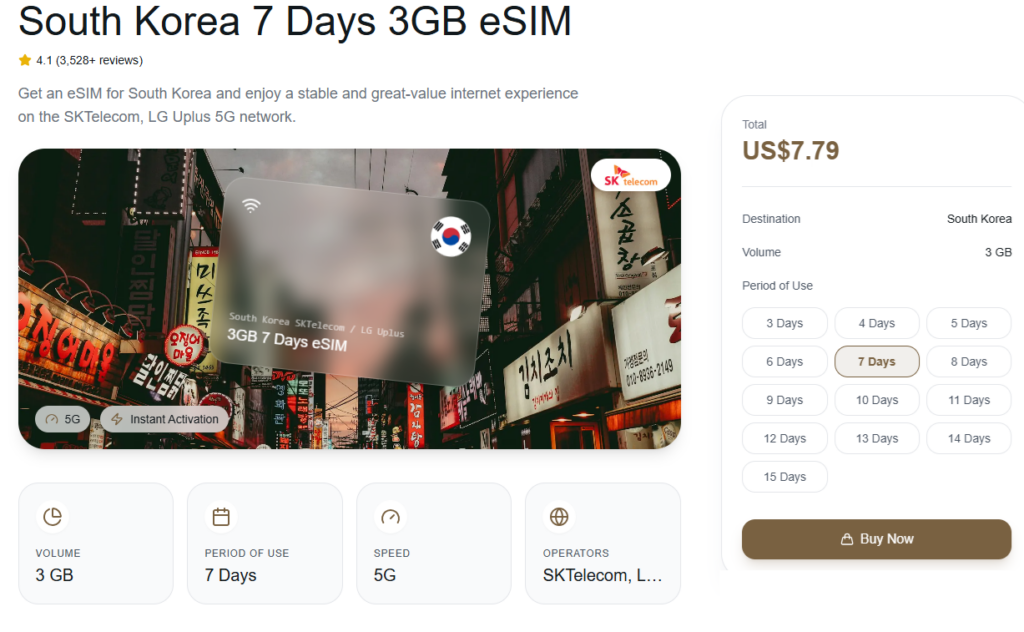
TripTripGo started out selling third-party phone plans, but eventually, the team took the big step of building their own eSIM offering.
If you think just running a travel site involves plenty of headaches, here’s a taste of what it takes to build an eSIM:
- Building relationships with providers
- Researching network coverage
- Managing pricing, provisioning, and activation
- Handling payments
- Offering customer support
The process is complex – and as Edward puts it, “The hard part is keeping that complexity away from the traveler.” Still, all that work was worth it.
We wanted a direct relationship with travelers and greater control over the customer experience. If we only promoted other providers, we would have less influence over how plans are presented, priced, supported, and improved.

Small team, big reach
Little by little, TripTripGo managed the transition from being a marketplace to actually providing a service.
Our approach was to improve the experience step by step, listen closely to customer issues, and make the buying and installation instructions as clear as possible.
Today, monthly traffic is at about 300,000, up from 10,000 two years ago, and app installs are above 10,000.
TripTripGo’s main language is Traditional Chinese, since its core audience has a strong connection to Hong Kong. For these travelers, trips within APAC (Japan, South Korea, Taiwan, mainland China, and Thailand) are most popular. The site also supports Simplified Chinese for other Chinese speakers and English for the broader market.
As TripTripGo has grown, the team has expanded to four, with responsibilities split roughly into
- product and engineering,
- content and SEO,
- marketing, and
- customer support and partnerships.
But there’s plenty of overlap, and since the team is small, one piece of feedback can lead to improvements in multiple areas.
More products to sell…
Beyond eSIMs, users can also browse hotels and activities and book them via partner brands. Data from eSIMs helps guide the team as they decide which affiliate offers to add.
We look at questions customers ask, destinations where eSIM demand is increasing, seasonal patterns we see in our traffic, partner inventory, and potential search opportunities. If customers are buying more eSIMs for a destination, that may signal a need for better hotel and activity guides there, too.
This focus on quality over quantity also applies inside the guides. As Edward says, “The aim is a useful shortlist, not an endless inventory dump.”

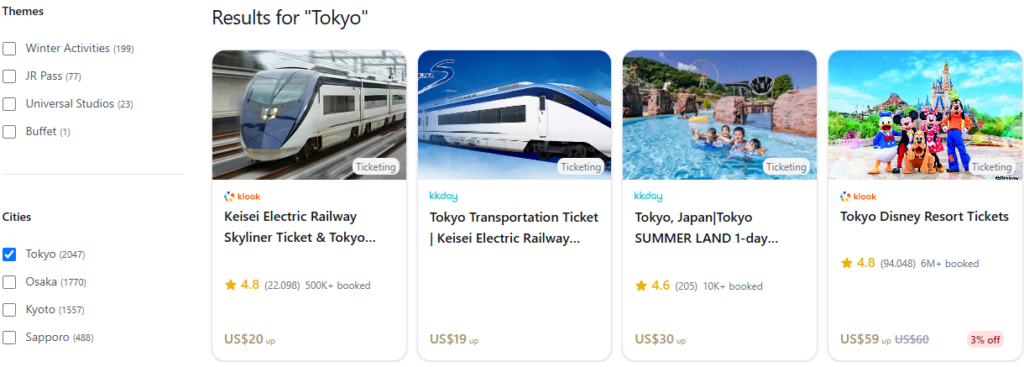
Still, eSIMs remain central to the business model, since they carry the TripTripGo brand name and the team can improve them directly. Hotel and activity pages bring in affiliate revenue, but they also help travelers discover the site earlier, before they’re ready to buy data.
… more partners to manage
TripTripGo began experimenting with affiliate monetization soon after launching, but as the site grew, the volume of work turned into a real burden.
For a relatively small team, partner onboarding, links, attribution, and reporting create substantial overhead when managed separately.
So, looking for a way to streamline, the company joined Travelpayouts in 2026.
We were looking for a practical way to monetize more parts of the travel journey without building a separate commercial integration and reporting process for every partner. The attraction was access to multiple travel brands and monetization options through one platform. Plus, Travelpayouts lets us test which travel products and brands fit our audience, and the data-rich reporting and API access give us more visibility and flexibility.
The first bookings came within a month, and soon it became clear that the team had found a repeatable revenue stream. They were able to connect specific traffic and placements to purchases, then use that info to improve the product.
As a result, since March 2026, TripTripGo’s average Travelpayouts revenue (confirmed and pending) is approaching five figures. About three-quarters of that comes from the free monetization system Drive.
Plans for the next years
If all goes to plan, over the next couple of years, TripTripGo will add content and test new partner brands. But more than that, the team wants to go deep: fine-tuning their eSIMs, driving app downloads, and improving the structured-data systems their site relies on.
The focus is on creating a coherent service, rather than adding features just to make the website look bigger.
As always, the focus will remain on solving real problems and putting quality before quantity.
TripTripGo proves that affiliate revenue has a place in sites beyond the traditional travel blog. If you have the energy and vision for it, you can even build a product that travelers love. So get inspired and go for it – maybe we’ll be telling your story next!
Bonus: Build, measure, localize – tips from TripTripGo
We asked Edward and the team behind this impressive project what advice they had for fellow partners. Here’s what they said:
- Solve one real traveler problem rather than chase traffic. Build a product people would use even without affiliate links.
- Measure outcomes. This is one thing we wished we’d started doing earlier. In a growing product, it’s easy to concentrate on publishing more pages and launching features, but understanding where users arrive, what they need, what they click, and which transactions actually convert is crucial. Measure conversions and repeat use, not just visitors.
- Especially for bloggers working in APAC: localize for each market’s language, currency, platforms, and expectations. And really localize, don’t just translate. Traditional Chinese users in Hong Kong may phrase the same question differently from Simplified Chinese readers, while English visitors often come from a much broader mix of markets.