



Affiliate marketing is a promotion-focused partnership between a brand and a marketer. The marketer, or affiliate, promotes a product or service through content. The brand, also known as a merchant, pays its affiliate a commission for a successful customer action, like a purchase, booking, or registration. These are the basics of how affiliate marketing works.
Unlike ads, affiliate marketing is an indirect promotion that feels less irritating to customers. For example, when customers learn about a product from a mention in a relevant article, they may trust it more and be more likely to purchase.
Affiliate marketing pros and cons at a glance
If you want to quickly understand whether affiliate marketing is right for you, take a look at our table of its advantages and disadvantages:
| Pros | Cons |
| Low startup costs | Income is hard to predict |
| No product or inventory | Brands set the commission rates and rules |
| Flexible work model | High competition in some niches |
| Multiple income opportunities | Commissions depend on accurate tracking |
| Content can earn over time | Payouts depend on third-party terms |
Advantages of affiliate marketing
Now, let’s explore the pros and cons of affiliate marketing in more detail, starting with the positives.
Low startup costs
You can start affiliate marketing with no money. Many promotion channels, like social media, forums, and personal blogs, are free to use. So are most affiliate programs. You don’t need to invest in tools or products to start, so it’s less risky and more accessible than other strategies.
If you already have an online presence, your existing website, email list, or social media profile can become an additional income stream.


No product, inventory, or customer service
Another reason why affiliate marketing has low startup costs is that you don’t need to launch a product or service. Affiliates promote existing brand offers, so you don’t need to worry about production costs and timelines, inventory, packaging, shipping, or other business operations.
Plus, unlike with dropshipping, you don’t need to manage logistics and handle customer service. Without the admin side of running a business, you have more time to make content and engage with your audience.
Flexible work and promotion channels
One of the biggest pros of affiliate marketing is the flexibility. You can do it from anywhere, including your couch or a tropical beach, as long as you have a smartphone, computer, and a reliable internet connection. Plus, you create your affiliate marketing strategy, so you decide how much content to put out and when. You can create a posting schedule that works for you, whether you’re a stay-at-home parent or a digital nomad.
Affiliate marketing is also scalable, so when you want to expand, you can add more promotion channels and marketing techniques. For example, launch an SEO blog alongside your social media one, create paid ads, or build an email list.
Multiple programs and revenue streams
Your affiliate earnings aren’t limited, and you can have many promotion channels, blogs, and revenue streams. Some creators join different niches and promote various products and services.
For example, blogger Aisha Preece from the nomad- and side-hustle-focused website Out and Beyond, also runs three travel blogs. This way, she’s able to promote both travel-related affiliate offers and productivity or DIY-related ones.


Even if you stay within one niche, you still have many affiliate programs to choose from. Most brands don’t require exclusivity, so you can promote several products or services from different brands at the same time. Affiliate partnership platforms like Travelpayouts make managing these programs easier. When you register, you get access to over 90 travel brands. You can see all your earnings in one dashboard, view performance analytics, and use AI monetization tools to save time and get more ways to earn.
Join the Travelpayouts partnership platform
Join todaybrands
Content can keep generating commissions over time
Affiliate marketing can become a source of passive income. The content you’ve created can still attract traffic long after publication, which means readers can make purchases via your affiliate links and earn you commissions.


Ting, the creator of My Travel Monkey
For example, Ting from My Travel Monkey has 15 years’ worth of articles, and this content still generates money, thanks to smart monetization.
Affiliates are a regular passive income, which is definitely more stable and consistent, which, when you have a family, is the most important thing.
Evergreen content exists beyond blogs, though, which is one of the biggest advantages. On Pinterest, users still save pins older than a year and even two. This means that your old posts can still be a reliable traffic source.
Disadvantages of affiliate marketing
We’ve explored the reasons why affiliate marketing is worth it. However, the strategy doesn’t end with pros. So now, let’s consider the cons.
Income is unpredictable
Affiliate marketing is a performance-based model, so if your efforts don’t lead to conversions or sales, you won’t get paid. Plus, there’s no guarantee that you’ll earn a certain amount, and your pay can fluctuate based on factors outside of your control. For example, changes to search and social media algorithms can affect traffic.

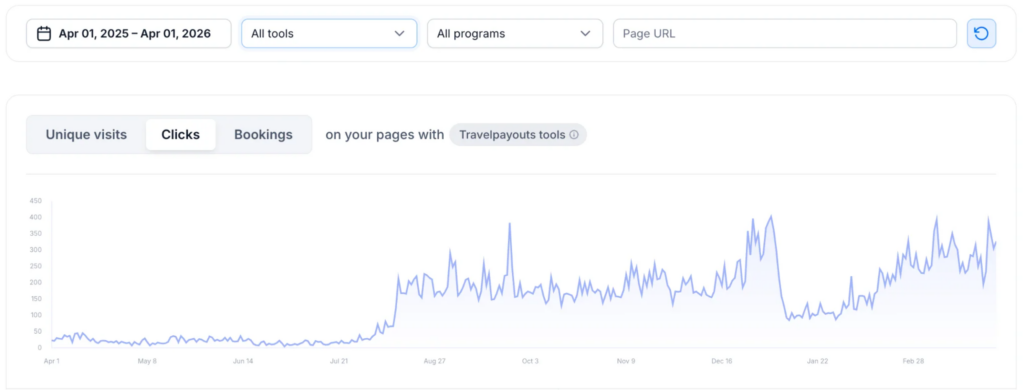
For travel and similar niches, traffic and conversions can often change from season to season. As people typically travel more in the summer and around holidays, demand can be inconsistent throughout the year.
That said, you can join several programs, so one change doesn’t dramatically affect your income.
You have limited control over affiliate programs
Although you can choose from many affiliate programs and often combine them, it’s the brands that dictate the rules. From commission rates and cookie durations to available promotion channels, you’re not the one deciding. This merchant dependence shapes your strategy.
Before you join, compare commission rates, cookie durations, and payment terms to understand how every program affects you.
Competition can be high
Depending on the affiliate niche, you may struggle to attract an audience. Niches like fitness or SaaS are very competitive, so you need to choose carefully. Your content also needs to stand out to encourage engagement.
You also need to compete not just with other content creators, but with major publications like Forbes, BuzzFeed, and The New York Times. All of these have established reputations, high domain authority, and teams of people working for them.
To counter that, choose a narrower subniche and share authentic experiences that strengthen your personal connection with readers.
Tracking and attribution are not always perfect

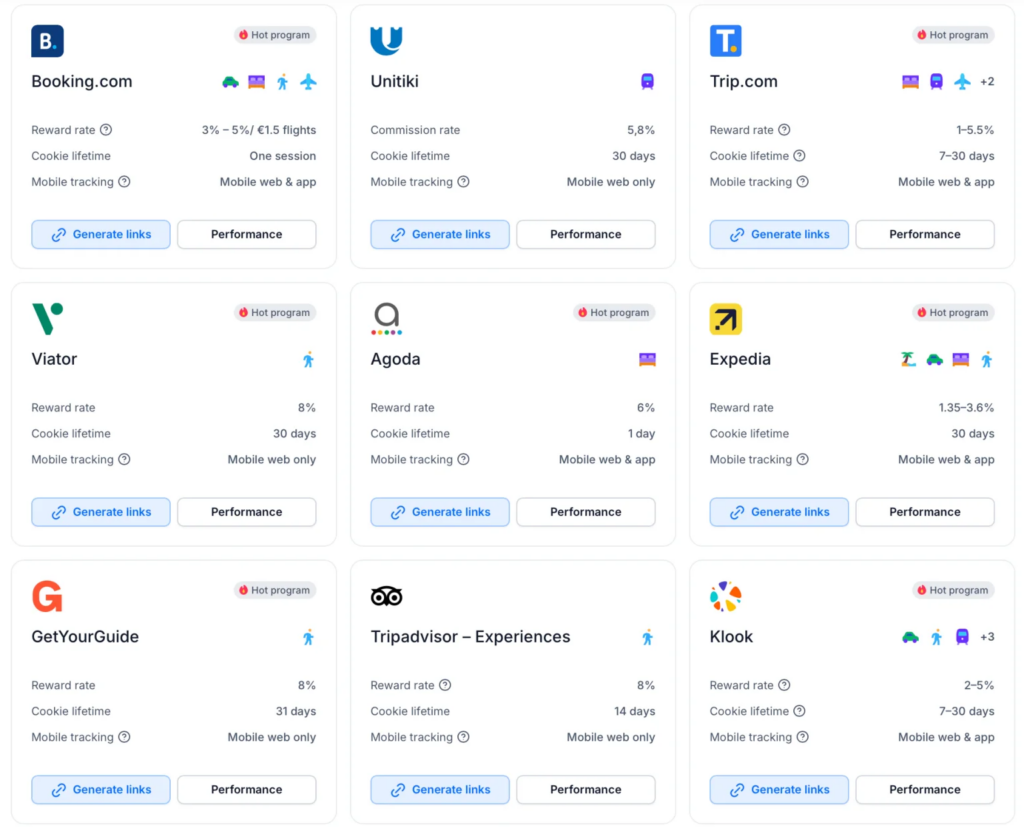
One of affiliate marketing’s biggest disadvantages is the technical side. Your payment depends on accurate tracking and attribution, so brands recognize that customers came from you. Cookie issues, ad blockers, and technical glitches can lead to missed commissions.
Plus, each brand has many affiliates, and this complicates attribution. Depending on whether the program uses last-click (the final link gets the payment), first-click, or a multi-touch model, you might not get paid even if the customer interacted with your links and made a purchase later.
Check your analytics regularly and choose programs with favorable conditions.
Your reputation depends on what you promote
As an affiliate marketer, you’ll always promote someone else’s product instead of your own. That means you have no control over the quality, purchase process, or customer experience. If you recommend a faulty product, it can disappoint your audience. If that happens repeatedly, your readers may start to distrust you. That’s why you need to thoroughly research and test what you promote before posting about it.
You also have no control over brands’ decisions to change or discontinue a product or service, even if it impacts your income.
You depend on third-party rules and payments
Another one of the cons is that affiliate marketers have no control over payout terms. When, how, and how much all depend on the brands and affiliate networks you work with. This can lead to delays, uncertainty, and spotty income.
Travelpayouts has a transparent tracking system and regular payouts, but that doesn’t prevent booking cancellations and value changes on the customer side. Commissions are also typically credited after a certain period from when the customer received the service.
That’s why you should check the payout thresholds before you join and not rely on one single program.
Is affiliate marketing right for you?
Now that you know the advantages and disadvantages, here’s a quick list of reasons it might be a good fit for you.
Affiliate marketing is right for you if you:
- Are ready to create helpful content or already have an audience.
- Are ready to put effort into growing traffic and audience and developing marketing channels.
- Want to test different affiliate products and content formats.
- Understand that the strategy takes time, and you won’t see the results right away.
- Can work without a guaranteed fixed income.
- Can put your audience’s interests first when picking products, even if the commission rates are less attractive.
Affiliate marketing isn’t right for you if you:
- Need a stable and predictable income from the start.
- Dislike making and promoting content.
- Want full control over the product, pricing, and client base.
- Don’t want to abide by third-party rules.
If you’ve carefully considered all the pros and cons and still want to start in affiliate marketing, consider the travel niche. With many subniches and brands to choose from, it’s a good place to start. Join Travelpayouts for free to access popular affiliate programs in one place and track your earnings.
Join the Travelpayouts partnership platform
Join todaybrands