



Affiliate marketing is a marathon, not a sprint. And sometimes, that marathon may seem never-ending. You might even wonder, “Does affiliate marketing work?”
If that’s the case, it’s time to look at some affiliate marketing examples – to reignite that fire and keep you going. In this article, we’ll explore 14 inspiring affiliate marketing blog and website examples that have mastered the art of promoting products and services in different niches. So let’s uncover the secrets behind their affiliate marketing success.
Affiliate marketing examples: Quick overview
Check out some of our favorite picks from the article and keep reading to learn more about the success of these blogs and platforms.
- Affiliate marketing blog example in the travel industry – Travels With Elle. Focuses on making memories and budget trips.
- Affiliate marketing platform with a narrow focus – SafeWise. Informs readers about security systems and smart home devices.
- The most successful affiliate platform – Wirecutter. Acquired by The New York Times Company, the website turns in millions of yearly profit.
Affiliate blog examples
A blog is one of the best ways to promote affiliate links and earn a commission. It relies on the author’s personal brand and expertise, making the recommendations feel trustworthy.
Below, we’ve picked 6 great examples of affiliate marketing blogs to inspire you.
1. Travel Mexico Solo

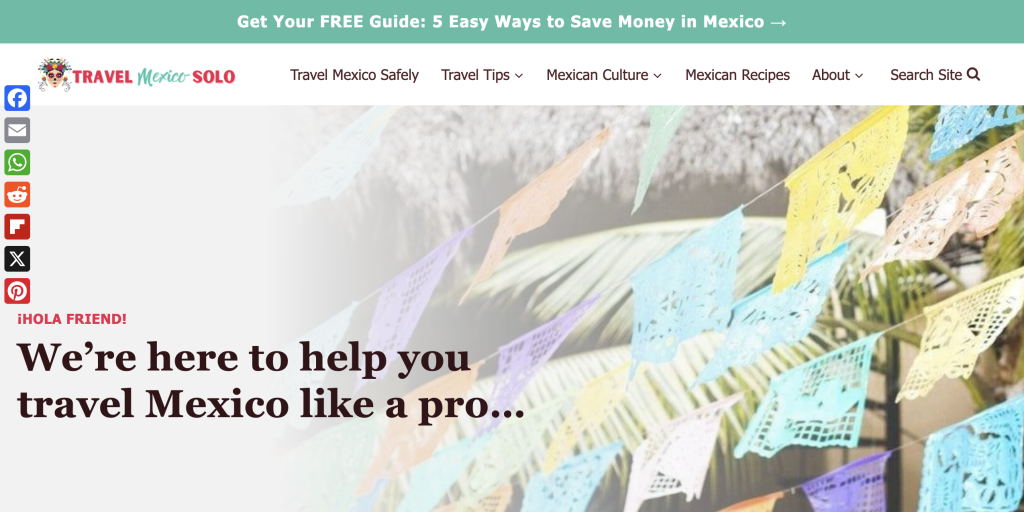
Travel Mexico Solo is a travel blog tailored for solo travelers looking to explore the beauty and diversity of Mexico. Founded by Shelley Marmor, a seasoned traveler and Mexico expert, the website offers practical advice, safety tips, and detailed itineraries to help solo adventurers confidently navigate the country.
Shelley also runs three other Mexican-specific blogs and Travel Blogging 101, where she helps other travel bloggers learn how to start affiliate marketing.
Why we love it
Travel Mexico Solo has nailed its niche. Shelley expertly identifies buyer intent keywords and creates highly targeted content that resonates with her audience and converts.
Shelley is also open and transparent about her earnings from affiliate marketing, her primary revenue source. She candidly speaks about her experiences as a travel blogger. In early 2024, her fifth year of blogging, she made more than $1 million from affiliate links and sharing her expertise.
Shelley champions the idea that anyone can achieve similar success. She has created an affiliate marketing Facebook group, developed a course, and offers coaching services to help other travel bloggers who want to level up their affiliate marketing game.
2. Travel Fashion Girl

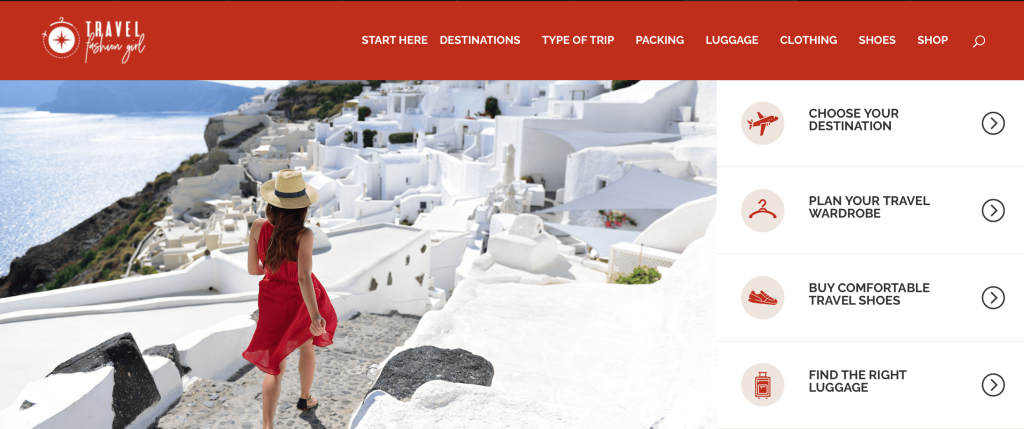
Travel Fashion Girl is a stylish and informative travel blog founded by Alex Jimenez in 2012. The website is dedicated to helping women travel smart, pack light, and look fabulous.
With a focus on travel fashion, packing tips, and destination guides, Travel Fashion Girl has become a go-to resource for female travelers seeking practical advice on traveling comfortably and confidently. Alex’s passion for travel and fashion shines through her engaging content, inspiring thousands of readers to explore the world in style.
Why we love it
Travel Fashion Girl’s success stems from Alex’s passion, personal experience, and ability to identify a need in the market. With a niche focus on helping women travel light, she created a unique and valuable resource for her audience. Her content tilt – the art of traveling with just a carry-on bag, regardless of trip length – set her apart in the crowded travel blog space when she first launched her blog.
Alex also used data to analyze her audience’s preferences and tailor her content accordingly, resulting in a strong connection with her readers and high conversions. These factors have all contributed to the blog’s impressive growth, ultimately earning Alex the title of a seven-figure blogger.
3. Travels With Elle


Travels With Elle is an enchanting travel blog founded by Elle, a travel enthusiast sharing relatable and practical advice to help busy people plan affordable yet memorable adventures. Elle’s adventurous spirit shines through her content, as she provides detailed itineraries, travel hacks, and tips for anyone who wants to travel but needs a little guidance.
Why we love it
What sets Travels With Elle apart is the focus on making travel easier and more accessible for busy people who want to make their own memories while still staying on budget. This niche is relatable and unique at the same time. Elle’s first-hand experiences and practical advice help readers balance their wanderlust with the reality of living a regular life.
Her blog thrives on affiliate marketing, with careful recommendations for travel gear, booking sites, and other travel-related products. Each suggestion is based on her personal experiences, which lends authenticity to her endorsements and drives her audience to make purchases, generating affiliate income. This approach of building trust and connection with the audience is an effective affiliate marketing strategy that other bloggers can take inspiration from.
4. Taverna Travels


Taverna Travels is an engaging travel blog run by Taylor Taverna, the daughter of a flight attendant who swears that she was born with travel in her blood. Taylor’s blog is filled with inspiring stories, helpful tips, and informative guides encouraging readers to explore the world.
Why we love it
Taverna Travels stands out as it belongs to three different niches that complement each other perfectly. Readers can explore stories by travel style, which includes budget, outdoor, and solo female travel. This approach is great for affiliate marketing, as each niche can explore various partnerships.
Taylor’s personal experiences and expert tips make her content relatable and highly valuable to her readers. Her successful fusion of a strong niche focus, authentic storytelling, and strategic affiliate marketing is a great example for those looking to monetize their passions effectively.
5. Nick Kembel


Nick’s story has evolved over time. He started his blog, Nickkembel Travels (formerly “Spiritual Travels”), in 2010, focusing on travel to Taiwan and neighboring countries. However, his blog took on another shape due to a move back to Canada and the COVID crisis.
Nick didn’t want to keep his website Taiwan-specific and instead started to write stories about his journey back to Canada and his life experiences. Today, his blog focuses on topics like food, traveling with kids, hiking, pilgrimages, and, of course, country-specific content about Canada and Taiwan.
Why we love it
Although not Taiwan-specific anymore, Nick’s expertise in Taiwanese travel and culture sets his blog apart in the travel blogging world, carving a unique niche for his content. His personal experiences and in-depth knowledge provide a level of detail and authenticity that resonates with readers.
Regarding affiliate marketing, Nick promotes travel resources, local tours, and accommodations, each recommendation backed by his personal experience. Using affiliate links within these honest reviews and recommendations, Nick both generates income and maintains the trust of his readers.
6. Making Sense Of Cents

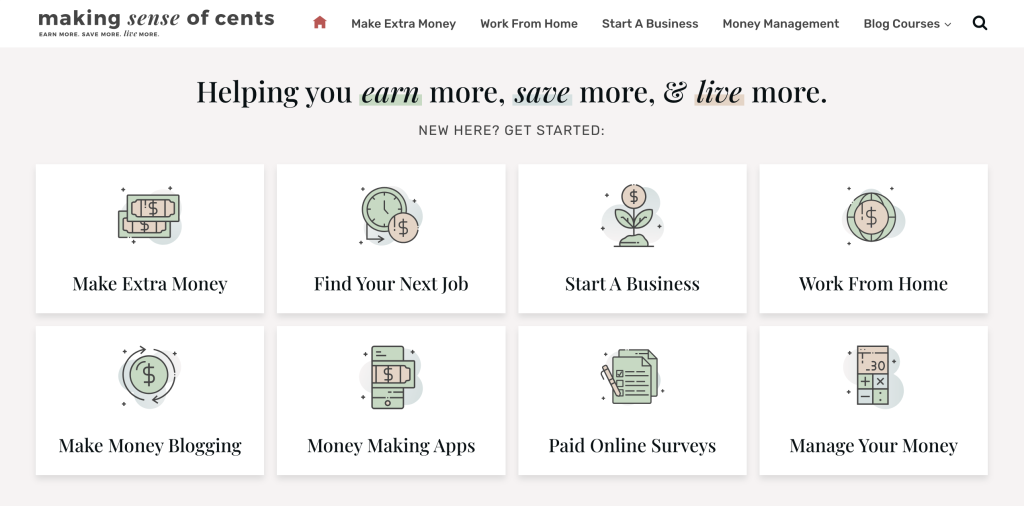
Making Sense Of Cents is a personal finance blog founded by Michelle Schroeder-Gardner in 2011. The blog aims to help readers achieve financial freedom by sharing practical advice on saving money, making money, and managing finances effectively.
With a wealth of experience and knowledge, Michelle offers her audience a wide range of informative articles, covering budgeting, student loans, and side hustles.
Why we love it
Making Sense Of Cents stands out thanks to Michelle’s approach to social proof. She frequently shares real-life examples from her own journey both on her blog and on other platforms.
Her earnings and lifestyle have been mentioned in over 20 different publications that she links to throughout her website. Publications in Business Insider, Forbes, CNBC, and titles like “This Blogger Makes $2,000/Day While Sailing Her Family Around the World. How She Became Financially Independent at 30” can be quite powerful in the world of affiliate marketing.
| 💡 Social proof builds trust and credibility. Real-life examples, verifiable numbers, and media coverage showcase the marketer’s expertise, encouraging potential customers to trust their recommendations and make purchases. |
With a monthly revenue of around $50,000 from affiliate marketing alone, Michelle writes blog posts and even offers an affiliate marketing course about the tools and strategies she used to achieve her financial goals. She is also building an email list by offering a free e-book.
7. Ryan Robinson


Ryan Robinson is a content marketing expert and entrepreneur who started the blog under his own name in 2014. He writes, teaches, and consults on blogging, creating a successful online business, and freelancing. Ryan has consulted several businesses, including Adobe and Zendesk, and wrote for Forbes, Business Insider, and Inc.
Aside from the website, Ryan also has a podcast, newsletter, and social media presence on LinkedIn, YouTube, and Twitter.
Why we love it
Ryan is a great example of a professional blogger. He continues to grow his business using several channels, adopting SEO, and following trends, like AI marketing. He promotes website hosting providers, builders, and other products and services related to blogging online, earning a commission from purchases his readers make.
One of Ryan’s standout strategies is content updates – with regular revisions to the articles, he keeps the content helpful to readers, relevant, and high-performing. He also expertly uses social proof through personal experience in his writing, media coverage, and course reviews on his website.
All of that contributed to Ryan’s professional success. In March of 2021, he made more than $17,000 from affiliate marketing. Today, with more than half a million monthly blog readers, he earns more than $50,000 a month, sharing income reports via his newsletter.
Affiliate websites and media platform examples
From one-person-led blogs to affiliate outlets with a whole team behind them, let’s take a look at some media platforms. And check out our other article to see even more affiliate marketing website examples.
1. Wirecutter

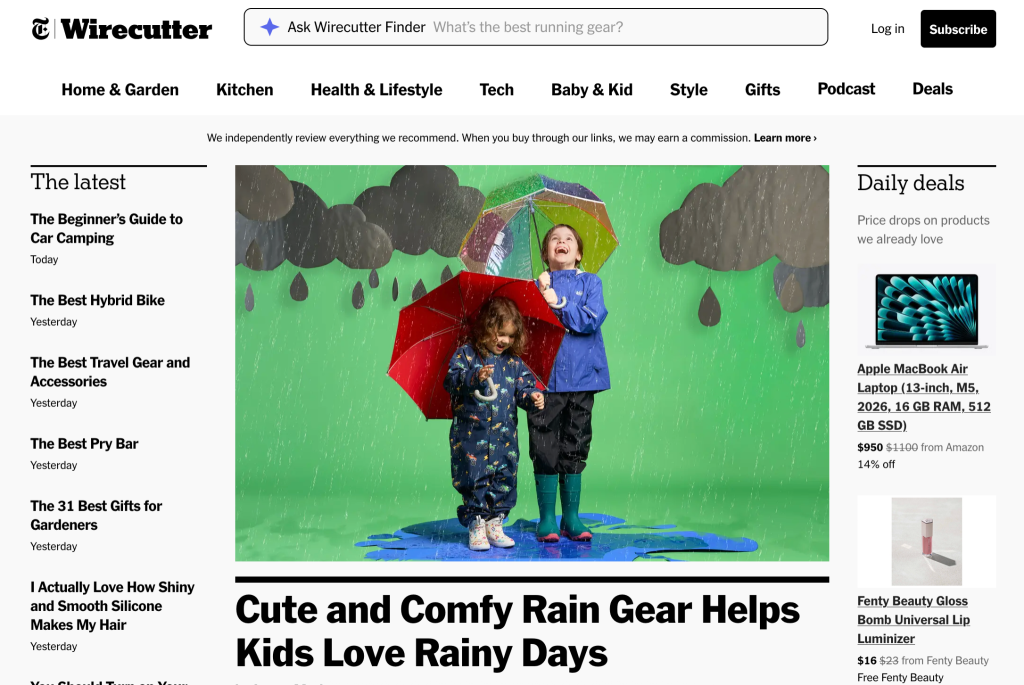
Wirecutter is a popular online product review website that offers in-depth, expert-recommended buying guides for various consumer products. Founded in 2011 by Brian Lam, a former editorial director at Gizmodo, Wirecutter was later acquired by The New York Times Company in 2016. The website has since become a trusted source for millions of people looking to make informed purchasing decisions.
The Wirecutter team rigorously tests and evaluates various products, from electronics and appliances to home goods and outdoor gear, presenting their findings in comprehensive, easy-to-understand articles. Wirecutter has a strong reputation for trustworthiness and reliability thanks to the unbiased, well-researched recommendations.
Why we love it
Wirecutter excels at providing thorough, unbiased product reviews that simplify the decision-making process for readers. Their expert team meticulously tests and compares products in various categories to offer well-informed recommendations based on real-world experience. This builds trust between the website and the readers. They even have an advice column called Ask Wirecutter.
Furthermore, Wirecutter’s clean, user-friendly layout and easy-to-navigate categories make it a pleasure to explore, enhancing the overall user experience.
Another key to the website’s success is the transparency in disclosing affiliate partnerships and maintaining editorial integrity. This commitment to honesty helped the brand build trust with its audience, resulting in a loyal following and impressive revenue figures.
In 2025, Wirecutter generated $70.5 million in affiliate revenue in a quarter. The New York Times also monetizes the website with a metered paywall. Readers can read up to 9 free Wirecutter articles monthly before being asked to pay for a subscription.
2. The Points Guy
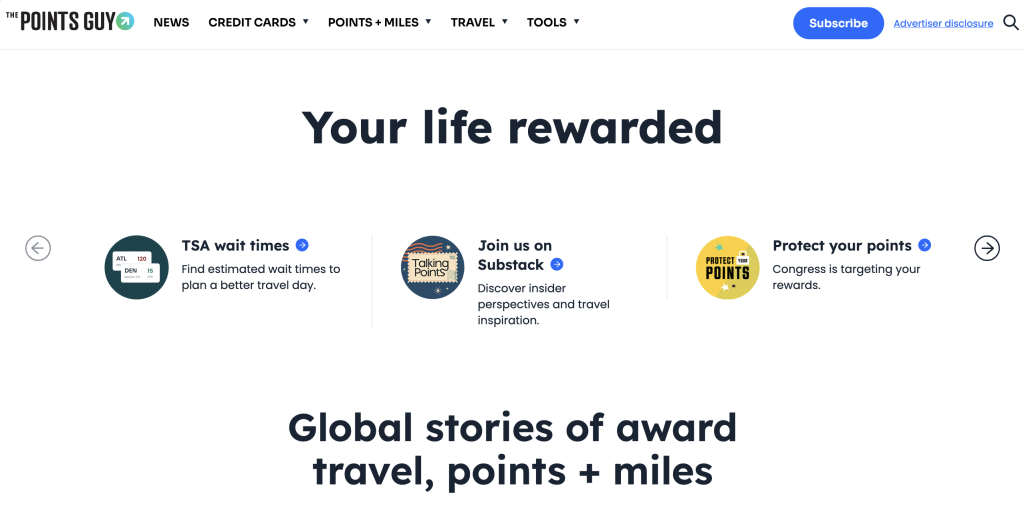
The Points Guy (TPG) is the go-to online destination for everything related to travel rewards, points, miles, and credit cards. Founded in 2010 by Brian Kelly, a former Wall Street worker turned travel guru, TPG has become a fan favorite for wanderlusters looking to make the most of their travel experiences without breaking the bank.
This informative platform offers up-to-date news, comprehensive reviews, and practical advice on travel, credit cards, and loyalty programs. With a team of knowledgeable writers and industry experts, The Points Guy provides reliable guidance on all aspects of travel, helping readers optimize their rewards and travel with confidence.
Why we love it
Brian initially began with a modest approach, launching TPG as a points-and-miles blog focused on a particular niche. By concentrating on this specific area and becoming an authority on the subject, the website gradually gained traction. Over time, as its popularity grew, TPG transformed into the lifestyle media brand we know today – an intelligent approach.
TPG boasts an impressive 10 million unique visitors per month. Along with content creation, the website also focuses on the use of SEO and analytics. TPG prides itself on understanding its data and tracking which articles drive visitors to take action rather than just looking at traffic.
| 💡 Success in affiliate marketing is closely tied to data analysis. Focus on determining which content pieces drive the highest conversions and always seek opportunities to optimize those conversion rates for even better results. |
One of the ways TPG generates revenue is through affiliate marketing, partnering with credit card issuers and travel providers, and earning commissions when readers apply for cards or book travel via their links. However, they also accept paid sponsorships to promote destinations, travel brands, and financial service providers.
Although revenues are not published, TPG is estimated to earn between $100 and $200 million.
3. Gear Patrol


Founded in 2007, Gear Patrol is an award-winning online publication that provides its audience with the latest news, reviews, and recommendations in the world of gear, gadgets, and lifestyle products. They also have a bi-annual print magazine as well as a content studio arm, Gear Patrol Studios.
Covering a wide range of topics, from technology and automotive to outdoor adventures and home essentials, Gear Patrol has become a go-to source for enthusiasts, specifically men, seeking expert advice and information on the best products available.
Why we love it
What sets Gear Patrol apart and makes it truly stand out is the commitment to high-quality, in-depth content that is both informative and engaging. Affiliate marketing isn’t the primary goal. Their motto is “everyone deserves the right product.”
With valuable insights and an objective perspective, Gear Patrol has built a strong reputation as a trusted source for consumers. Their audience has grown to over 5.5 million monthly online readers.
A key aspect of Gear Patrol’s success in affiliate marketing is the deep understanding of their audience. They’ve skillfully adopted a tone and voice that resonate with their readers, curating content that speaks directly to their audience’s needs and interests. Gear Patrol publishes reviews, buying guides, and a daily round-up called “Today in Gear.”
They’re selling products in a way that seems seamless and natural. Trust and community building led Gear Patrol to an estimated annual revenue of around $12.5 million.
4. MoneySavingExpert

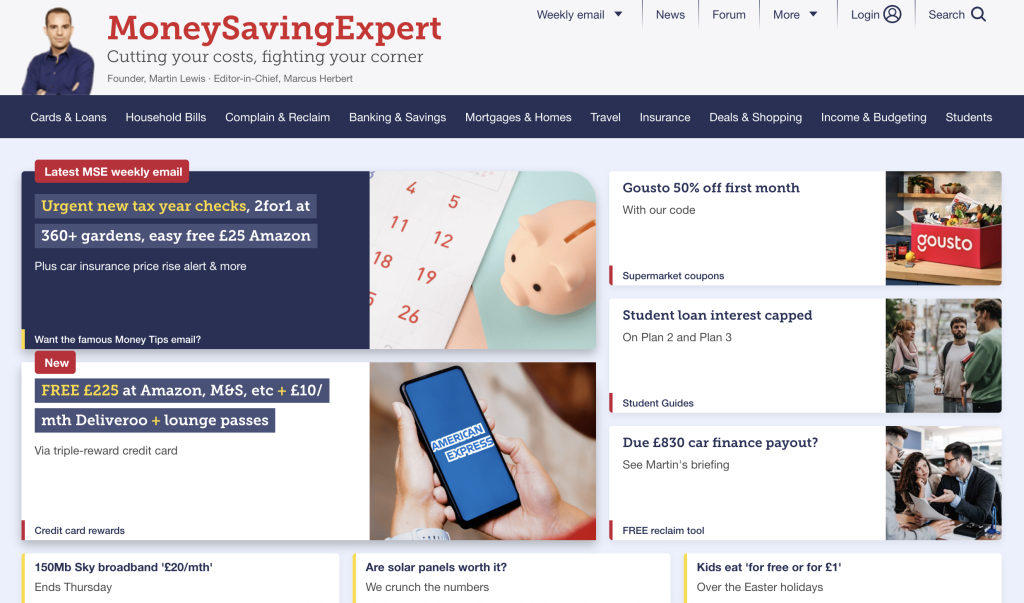
MoneySavingExpert (MSE) is a comprehensive personal finance website founded in 2003 by Martin Lewis and sold for £87 million to MoneySupermarket.com in 2012.
The UK-based platform aims to empower consumers by providing expert advice, tips, and tools to save money and make informed financial decisions. Covering a wide range of topics, including credit cards, loans, mortgages, insurance, and shopping deals, MSE has become a trusted source of financial information in the UK.
Why we love it
MoneySavingExpert stands out for its unwavering dedication to consumer advocacy and financial education. Their team of experts works tirelessly to provide up-to-date, accurate, and actionable advice that helps navigate the often complex world of personal finance. By putting its audience’s needs first and maintaining a strong commitment to transparency and honesty, MSE has built a loyal following and a stellar reputation in the industry.
| 💡 Along with about 9.5 million website users, MSE also has an email subscription list of around 9.1 million individuals. Don’t forget to take advantage of email subscribers. No, email marketing is not dead, and it’s a good addition to your affiliate marketing funnel. |
Their strategic use of affiliate marketing demonstrates how it can be part of a content-driven platform without compromising the integrity or trustworthiness of the information provided.
This unwavering commitment to transparency includes their How this site is financed page, updated every six months. The page outlines how they generate revenue, how to spot affiliate links, and even the costs to run the website. This is transparency at another level.
5. SafeWise

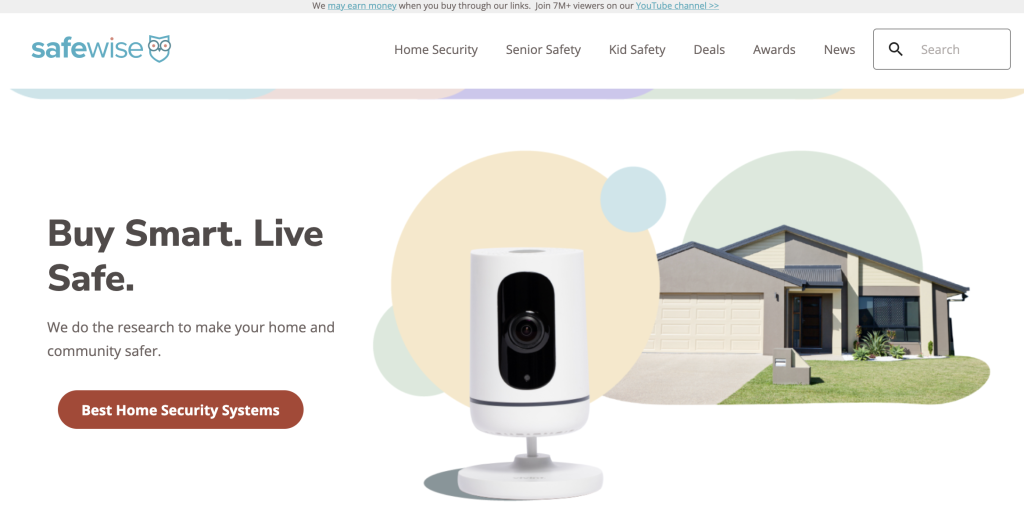
SafeWise is a leading online resource that provides in-depth home security and safety information for homeowners and renters alike. The website offers comprehensive guides, product reviews, and expert advice on various security solutions, from security systems to smart home devices.
With a mission to empower individuals and families to make informed decisions about their safety, SafeWise has become a trusted authority in the home security and safety industry, helping thousands of people protect their homes and loved ones.
Why we love it
SafeWise demonstrates the power of focusing on a specific niche, catering to the home security and safety community. The beautifully designed website is well-organized with clear categories, making it easy to find relevant information.
SafeWise also maintains a YouTube channel and TikTok account, expanding its reach and expertise to social media platforms. The weekly newsletter helps build a sense of community among their audience, solidifying SafeWise’s position as a trusted authority in the home security and safety industry.
6. Everyday Carry

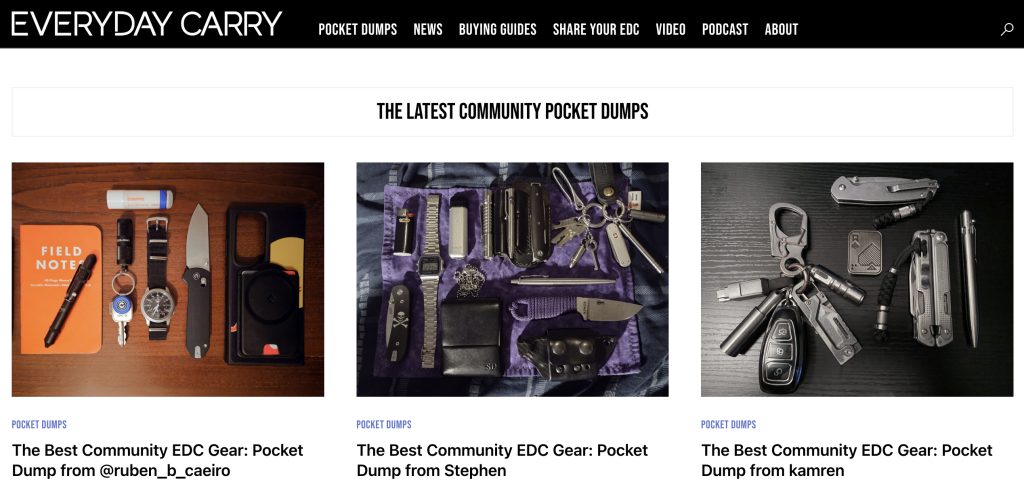
Everyday Carry (EDC) is a popular online platform dedicated to showcasing the essential items that people carry with them daily for practicality, utility, and convenience. The website features a vast collection of user-submitted photos and descriptions of the items they consider indispensable, ranging from pocket knives and multi-tools to wallets, pens, and smartphones.
Why we love it
Everyday Carry truly shines in their ability to foster a strong sense of community in users. By encouraging individuals to submit their own EDC collections, the platform empowers people to share their personal preferences and practical solutions with others. This user-generated content inspires others to improve their daily essentials and creates an environment where people can learn from each other’s experiences.
The website also uses product ratings sourced from trusted platforms like Amazon. By incorporating these ratings, Everyday Carry gives users a reliable reference point to gauge various products’ quality, functionality, and usefulness.
| 💡 Reviews in affiliate marketing improve user experience and increase conversion rates. Why? Because honest feedback from real users helps to build trust and credibility and influences purchasing decisions. |
Overall, Everyday Carry is a great example of the power of community in helping with your affiliate marketing strategies.
7. Entrepreneurs on Fire


Entrepreneurs on Fire (EOFire) is a renowned podcast and online platform created by John Lee Dumas in 2012. As a hub for entrepreneurship inspiration and resources, EOFire features interviews with successful entrepreneurs, offering valuable insights and advice for aspiring business owners.
Why we love it
EOFire emphasizes the value of finding an unexplored niche and sticking to it. It all started with a podcast. John noticed that there were no daily podcasts that featured interviews with successful entrepreneurs. So he created one.
The journey began slowly, with no revenue generated during the first nine months. Despite the challenges, John persevered, achieving success through valuable and free content (at least at first). This was a way to build trust, become a thought-leader, and build a loyal community.
| 💡 Remember that earning money with affiliate marketing is a long game. You first need to build a loyal audience that trusts you before you can earn money. So make sure you are passionate about what you do, as there might be many zero-dollar months before you hit the jackpot. |
John’s strategy worked. In 2024, EOFire earned a gross income of over $1.5 million, with 5% coming from affiliate marketing. The platform shares yearly and monthly income reports and generates revenue through courses, sponsorships, affiliate partnerships, and published books.
EOFire is an excellent lesson on understanding your niche, following a passion, staying committed, and gradually expanding your income streams as your audience grows.
What these affiliate marketing examples have in common
The affiliate marketing examples we covered in the article may seem vastly different at first glance. However, there are common threads behind their successes:
- Good niche. This can be as broad as consumer products or as narrow as security systems, for example. Focusing on one area helps bloggers and platforms reach an interested audience and find their place on the internet. Read our article on affiliate marketing niches to learn more.
- Transparency. From clearly disclosed affiliate program partnerships and free products to revenue reports, every blog and platform on our list nurtures trust with their audiences.
- Personal experience and expertise. Helpful, targeted, and educational content is at the basis of popularity. If the audience isn’t interested in what you’re writing about, your affiliate revenue won’t grow.
- Community focus. Successful affiliate bloggers and journalists engage with their readership using social media platforms, email newsletters, or request forms. Websites like Everyday Carry also post user-generated content, highlighting contributions from their community members.
All of these tactics are great if you’re trying to get your affiliate blog off the ground. Need more inspiration? Check out our list of affiliate marketing secrets and hacks.
How to succeed in affiliate marketing (lessons from these examples)
Hopefully, these inspiring affiliate marketing examples showcase the power of focusing on a niche, understanding your audience, and delivering high-quality content tailored to their needs. These successful affiliate marketers have built thriving businesses by consistently providing valuable information, engaging with their communities, and leveraging various platforms.
Whether you’re just starting your affiliate marketing journey or looking to improve your existing strategy, learning from these examples can help you refine your approach, build trust with your audience, and ultimately achieve greater success in affiliate marketing.
If you’re interested in becoming an affiliate partner and want to work with a trusted platform in the travel industry, consider joining Travelpayouts. With Travelpayouts, you can earn commissions by promoting flights, hotels, car rentals, and other travel-related services.
Join the Travelpayouts partnership platform
Join todaybrands