


What is Pinterest affiliate marketing
Pinterest is a platform for sharing videos and images. It acts as both a search engine and a social network with messaging and commenting features.
Users can discover, save, and share images known as “pins” and also create pin boards to gather images on the same topic. It is also possible to share and save GIFs and videos. Based on what users save, the platform provides content recommendations.

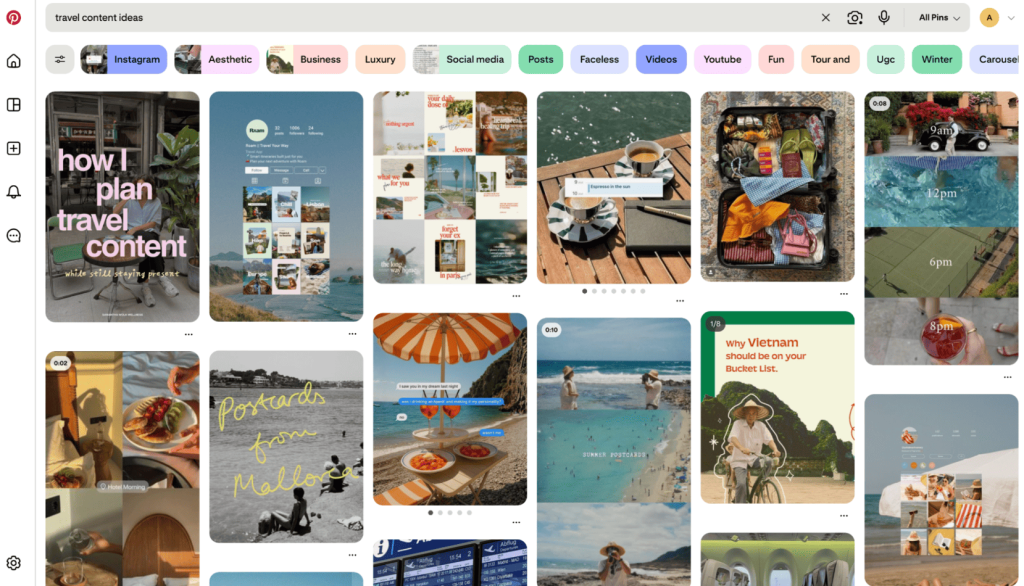
Affiliate marketing on Pinterest involves posting pins with links that either lead directly to the products or services you promote or to your blog. When users make a purchase following your links, you get a commission and earn money with affiliate marketing.
Why Pinterest is great for affiliate marketing
You’ve probably heard of Instagram affiliate marketing or short videos-focused affiliate strategies. Affiliate marketing on Pinterest might be less well-known, but it has a lot of advantages:
- High purchase intent. Over half of the platform’s audience comes there for shopping. If you use Pinterest for affiliate marketing, you get access to people who are ready to buy and more potential conversions.
- Search engine qualities. As Pinterest functions similarly to Google, you can use SEO to get more potential customers to see your pins. Unlike with other popular platforms, not everything depends on the algorithm, which makes your work easier and results more predictable.
- Evergreen content. Pinterest isn’t a news-heavy platform, meaning you can share always-relevant content and get engagement. For example, as part of your affiliate marketing strategy, you can create a pin with a link to a popular article on your blog and update it once in a while without creating additional website content or posting more pins.
- Long lifespan of pins. A well-made pin can still bring you money even after months or years since publication – longevity only website pages can rival. A Tailwind study found that pins older than a year accounted for over 60% of saves, and pins over two years accounted for 40%.
- Free organic traffic. You can use Pinterest for free, so it’s ideal for affiliate marketing beginners. Not only do you get engagement on your posts, but you can also drive traffic to your website without any investment.
That’s why growing your presence on Pinterest can be an amazing way to boost your sales, especially if your affiliate marketing campaigns have an emphasis on the visuals.
How to start Pinterest affiliate marketing
Starting an affiliate campaign on Pinterest can be overwhelming. If you have decided to promote your affiliate links on the platform or use pins to drive traffic to your blog or website, here is a step-by-step guide on how to earn money on Pinterest through affiliate marketing.
Step 1: Choose a profitable niche
To create campaigns that will drive traffic and conversions for months or even years, it is very important to make smart choices about the niche and product you will use for affiliate marketing on Pinterest. The best niches for affiliate marketing sit at the intersection of popularity, high earning potential, and low competition.
Ideally, your niche should also be interesting to you, relevant to your audience, and beneficial in terms of the available affiliate programs. If you have some knowledge and experience in a subject and are passionate about it, creating useful content will not be a problem. Plus, working in a vertical that has no personal interest or appeal to you might be a burden.
It is also important to understand your audience, their pain points and needs. Promoting irrelevant products may only encourage unfollows. However, if you consider their interests, explore the market, and share useful solutions, it will be easy not only to drive sales, but also to grow your following and build a strong, engaged community.
Finally, make sure to check available affiliate programs in your niche. In order to grow a successful affiliate business, you need to join programs that have a good reputation, top-quality products or services, high commission and conversion rates, and provide affiliate support.
The travel niche offers a wide range of products to choose from, regardless of your audience’s age, gender, and location. Everybody likes to travel, so you can find a suitable offer for any reader. For example, if you mostly write about traveling on a budget, you can research and recommend hostels in popular destinations. Or, if your audience mostly consists of families, you could recommend family-friendly hotels, activities, and so on.
To learn more about how to choose the right travel affiliate program, watch this video.

Step 2: Create a Pinterest business account
Once you understand what niche and product could interest your audience, it’s time to start building your Pinterest page. If you don’t have a Pinterest account yet, you can create one in a few simple steps.
To begin, you can create either a personal or business account. It is possible to switch the account type later on. To unlock marketing and analytics tools, create a free Pinterest business account. If you already have an account on Pinterest, you can connect it with your new business account as well.
First, type in your business or brand name, website address, and country.

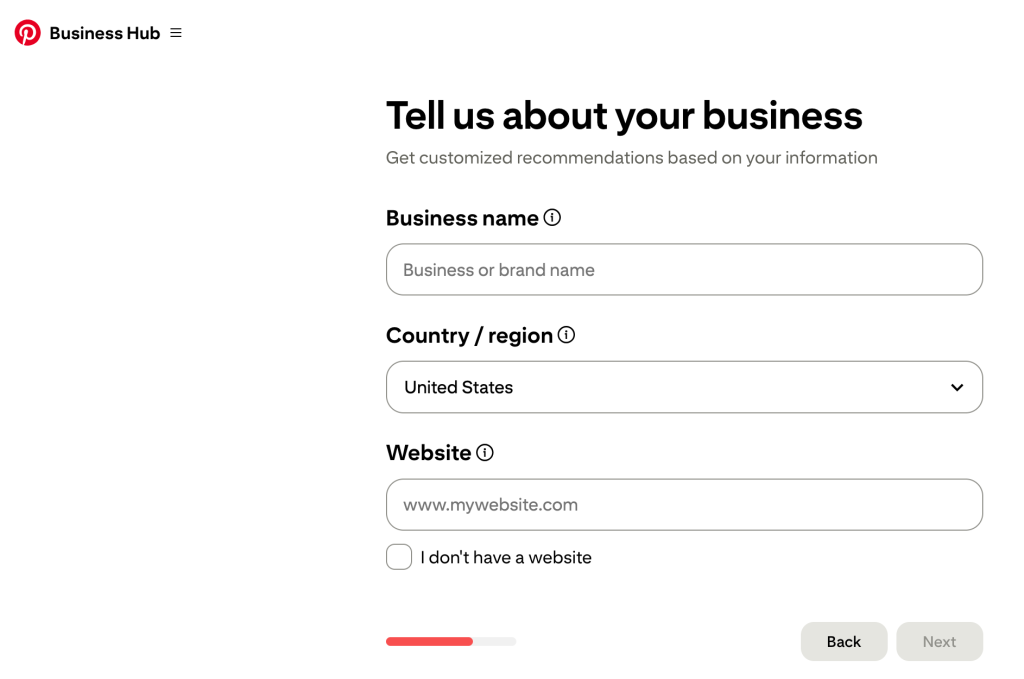
You will then have to provide a bit more information about your brand, such as:
- Focus and goals of your brand
- Suggestions for customized recommendations
- Interest in advertising
- Your full name, email address, and phone number
It is very important to fill out your Pinterest profile information correctly and provide all the details your audience might want to know about you.
Here are a few tips on how to create an appealing Pinterest profile:
- Add a profile picture relevant to your niche. Your profile picture will appear next to your pin when users click on it in the search results. With an appealing and bright image, you can motivate visitors to check your profile and subscribe.

- Add a background picture. While most bloggers prefer to share personal photos in their profile, a background photo can be anything from a destination photo to graphics and so on. It will also help your audience understand what kind of content you offer.
- Add a link to your website in your profile description. If visitors find your pins interesting, they might want to check your profile and, consequently, your blog as well. Why miss an opportunity to send some good traffic to your page?
- Add a profile description. Make sure to briefly describe what you do and what kind of content users can find on your Pinterest profile.
Step 3: Join affiliate programs
Once you have chosen brands to promote and created an account on Pinterest, you should sign up for affiliate programs. Essentially, there are two approaches:
- Partner with brands directly by joining their own affiliate programs
- Join an affiliate network or platform and gain access to a variety of affiliate offers in a single interface
What is more beneficial? As an affiliate marketer, you want to find programs with the highest affiliate commissions and good support for their publishers. If you already have a brand in mind, you may connect to it directly, as commissions are often higher in this case. However, if you want to promote several brands, it is better to join affiliate networks or platforms that also provide affiliate support and creatives to help drive conversions.
In the travel niche, one of the top affiliate marketing platforms is Travelpayouts, which offers access to over 90 brands, such as airlines, accommodations, tours and activities, insurance, travel compensation, and so on. There are also numerous affiliate tools to help you drive conversions, including widgets, deep link generators, and more advanced solutions like Drive, an AI-powered smart monetization system. Travelpayouts is free to join, and signing up only takes a couple of minutes.
Join the Travelpayouts partnership platform
Join todaybrands
Step 4: Create SEO-friendly boards and pins
To grow your presence on Pinterest, you need to create and share high-quality pins. Research popular topics in your niche by typing keywords into the platform’s search bar, studying your competition, and trends.
For Pinterest users to see your pins, you also need to use SEO. Add relevant keywords to your pin title and description. This way, people searching on the platform will find your posts or get them recommended. Using SEO strategies, you can also get organic traffic from Google search results.

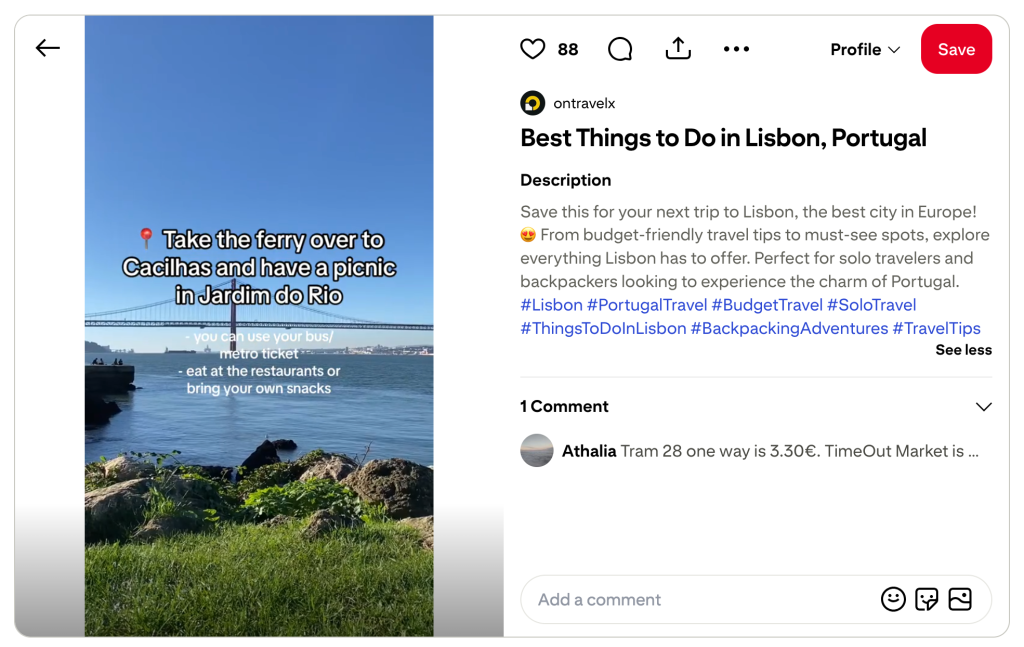
To make your content more engaging, you can add some text, such as your post title, to pins. Text overlays will help users understand what your post is about and improve your ranking in the search results.
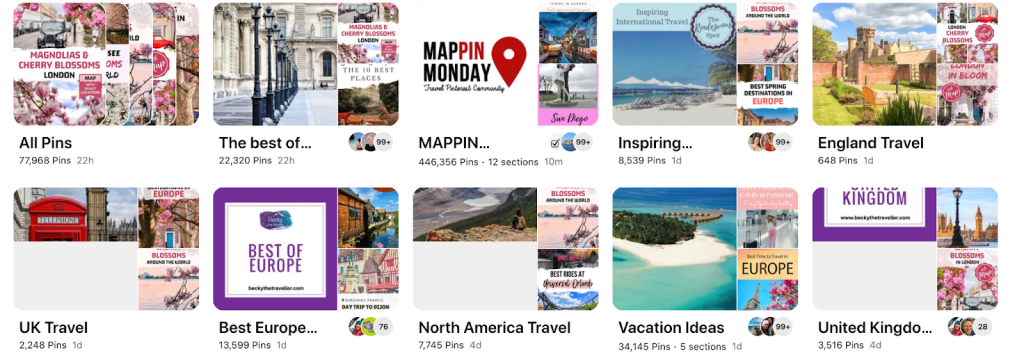
You can organize your pins by creating boards where you gather all pins on a similar topic. This will help both you and the user to better navigate your content. Provide SEO-friendly board names and descriptions, too.
For example, travel bloggers and affiliate marketers can create pin boards for different destinations. This way, the user can glance at all available posts and offers for the destination they are interested in instead of looking through your pins one by one.

Step 5: Publish consistently
One of the secrets of effective affiliate marketing with Pinterest and earning a stable affiliate income is consistency. Posting regularly helps to get more followers and strengthen your brand, leading to more conversions.


Aisha Preece, @aishapreece on Instagram, founder of Out and Beyond and three other successful travel blogs.
Consistency matters more than volume. As Aisha Preece, founder of the travel blog OutandBeyond.com, explains from her own Pinterest experience:
Pin at least 5-6 times a day, but consistency is what counts. It’s better to pin twice a day every day, instead of 20 one day and nothing for 2 weeks.
Here are a few tips and ideas you can use to fill your content calendar and maintain a regular posting schedule:
- Share fresh content regularly. The more content you create, the more likely your page is to be discovered either through the search results or suggestions. Try to create new pins weekly to engage the existing followers and boost your reach. Many bloggers share pins daily to grow their online presence faster. Some even opt for 20 or more pins per day.
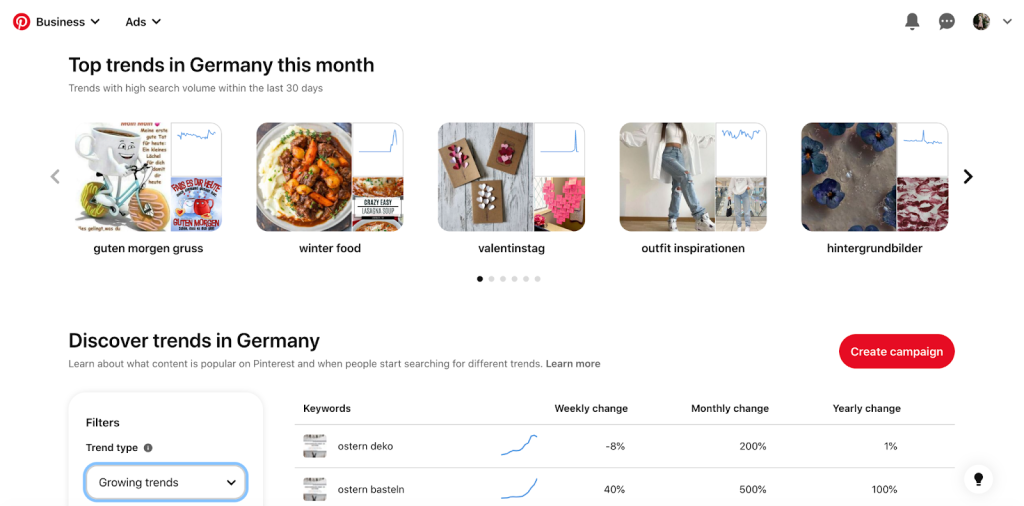
- Use the built-in Trends to discover the most popular topics and take advantage of them to send more traffic to your page. You can filter trends by type, time interval, age, gender, interests, keywords, and more.

- Use automation. When your posting volume increases, consider specialized tools to help you in the process. Tools for scheduling and posting pins can help you maintain a good cadence without manually adding every new pin.
- Engage with popular content. To increase your exposure, make sure to write comments on some other relevant pins that you can find in the search. You could also pin them to your relevant boards. Some pin creators may also check out and repin your content in return.
- Join group boards. Search for the most popular Pinterest boards in your niche and ask to join them. This can be a great chance to share your pins with a wider audience and network with other bloggers and marketers.
Step 6: Add affiliate links and disclosures
The next step is to add your affiliate links to your pins and send traffic to the offers and brands you promote. You can add a link to each pin in the “Destination Link” field. When users open your pin, the link will appear in the top right corner. Make sure to provide enough context in the pin description to encourage users to click the link.
It is paramount to disclose your affiliate links if you want to create a long-lasting and successful relationship with Pinterest. You can find out more in the Community guidelines on Pinterest.
Step 7: Track results and optimize
Once you have started sharing pins, regularly monitor your campaigns. This will show you which content and products resonate with your audience the most, so you can focus on promoting the best-performing affiliate offers. Tracking can also help refine your content strategy and create more of the content that visitors save and repin most often.
You can find built-in analytics in your business account on Pinterest.
Pinterest affiliate marketing rules
Beginners to Pinterest affiliate marketing may find it intimidating, but the underlying principles are simple. Here are five rules you should follow to get the most out of this channel.
| Rule | Why it matters |
| Disclose affiliate links | Builds trust and helps comply with applicable advertising guidelines |
| Use original content | Improves visibility and avoids spam signals |
| Avoid misleading pins | Creates a better user experience |
| Follow Pinterest policies | Helps keep your account in good standing |
| Use relevant keywords | Improves Pinterest search visibility |
Pinterest affiliate marketing tips
If you’ve already mastered the basics of Pinterest affiliate marketing, time to level up. Use these tips to improve your results and affiliate program earnings.
- Optimize every pin for Pinterest SEO. Do keyword research on the platform and, using tools like Semrush and Ahrefs, add relevant and popular keywords to your profile, pins, and boards to maximize traffic.
- Test different headlines. Use different headlines for one article and post a variation per week to see which one performs best. For example, you can compare questions and direct statements, short and long headlines, straightforward and inspirational tone of voice. Understanding which option brings better results can guide your overall strategy.
- Use Pinterest Trends. Regularly visit the page to gauge the emerging topics in your target region and find new ideas you can use for your content.
- Analyze top-performing pins. Your best pins resonated with the audience for a reason. Examine the assets of posts that had the highest engagement, click-through rate, and conversions. The reasons behind the success might be the topic, design, benefits stated, etc.
- Create multiple pins for one article. Find different angles of your content you can use for pins. For example, an article about the ideal Paris trip can be transformed into separate pins about your itinerary, cafe recommendations, and tips for first-time travellers. Multiple pins give you more engagement and conversion opportunities and can also cover different related keywords.
- Design vertical pins. Pinterest is a visual-first platform, and vertical pins act as scroll-stoppers. When a lot of people browse from their phones, vertical becomes the ideal posting format. Plus, this way you can reuse your short videos from TikTok, YouTube, and Instagram.
- Publish fresh pins. The more you publish, the more your audience can see your content. Plus, the algorithm tends to promote new pins. Although old pins can still get engagement, you should keep an eye out for new topics and regularly publish fresh content.
- Keep your posts concise. Pinterest doesn’t require long-form content to perform well. Focus on delivering value quickly and pairing your posts with plenty of images rather than padding the word count. As travel blogger Aisha Preece, who grew her site’s Pinterest traffic to nearly 90k monthly visitors, notes:
Unlike Google, which prefers long, detailed keyword-optimised 2000-word articles, Pinterest is happy to serve 1200-word simple blog posts to its users.
Pinterest affiliate marketing examples
With over 631 million monthly active users, Pinterest presents bright opportunities for marketers from around the world to reach their target audience. Many bloggers prefer to send Pinterest traffic to their blog, where they share affiliate links in posts with more context. Other marketers share affiliate links on Pinterest and drive traffic directly to their affiliate offer pages. Here are a few examples.
Jessie on a Journey
Jessie Festa is a travel blogger and affiliate marketer based in New York City. On her blog, she shares tips and tricks for solo travel, while teaching her readers how to make money with travel blogging and affiliate marketing.
Niche: travel.
Pinterest strategy: photos and short videos with links to blog articles with affiliate links.
Monetization: affiliate marketing commissions and ads.
Why it works:
On Pinterest, Jessie mainly shares direct links to her blog posts. Her blog content includes affiliate links to different brands as well as ads. In contrast to other Pinterest marketers, Jessie shares short videos in addition to photos on the platform. This allows her to build a stronger connection with her audience and present the topic of each post.
Taverna Travels
Taylor Taverna is a travel blogger and content creator based in New York. On her blog, Taverna Travels, Taylor shares her adventures and travel tips for over 70 countries that she has visited. To drive more traffic to the blog, Taylor promotes content on Pinterest.
Niche: travel.
Pinterest strategy: pins with natural-sounding descriptions and links to the blog.
Monetization: affiliate marketing commissions.
Why it works:
Taylor drives traffic from Pinterest to her blog posts, travel guides, and other types of content. From there, users can explore the materials enriched with affiliate links to different travel services, such as hotels. Taylor prefers not to share affiliate links directly on Pinterest. In contrast to other Pinterest marketers, Taylor sparingly shares keywords in the pin description section.
Ordinary Traveler
Christy Woodrow, the blogger behind Ordinary Traveler, has been on the road for the past 12 years. On her Pinterest account, she shares pins with links to blog posts, travel guides, photography guides, and other content types.
Niche: travel.
Pinterest strategy: pins with informative descriptions and direct links to the blog.
Monetization: affiliate marketing commissions and ads.
Why it works:
Every pin has a short description of the article content and contains a direct link to the blog. While scrolling through Christy’s blog content, readers will stumble upon affiliate links, for example, to Amazon Associates. In addition to affiliate marketing, Christy monetizes her blog with advertisements.
Wander Her Way
Denise, a reformed corporate marketer, has traveled to over 30 countries and is now sharing her travel adventures as well as blogging and lifestyle tips on her travel blog Wander Her Way. On Pinterest, Denise shares pins to drive traffic to her posts with affiliate links to different travel services.
Niche: travel.
Pinterest strategy: pins with links to the blog containing affiliate links.
Monetization: affiliate marketing commissions.
Why it works:
Denise’s strategy involves creating and sharing a captivating pin with a brief description and a link to her blog post for every post she publishes. By doing so, users who click on the pin will be directed to a detailed travel guide, as well as recommendations for travel services, some of which are affiliate partnerships. By sharing affiliate links in the blog post instead of directly on Pinterest, Denise can send traffic to her blog and provide users with more value before promoting affiliate products.
World of Lina
Another affiliate example is from World of Lina. Alina, an Austrian travel blogger, has visited over 30 countries across four continents and has been earning her living with affiliate marketing, among other things. Alina sends traffic from Pinterest to her travel blog posts containing affiliate links. In the pin description, she shares a brief description of the linked post.
Niche: travel.
Pinterest strategy: pins with links to the blog articles containing affiliate links.
Monetization: affiliate marketing commissions.
Why it works:
To increase traffic to her blog, Alina shares beautiful pins for each new blog post on Pinterest, accompanied by a short description of the content and a link to the post. Since promoting multiple brands in a single post can make it difficult to share affiliate links directly on Pinterest, Alina drives traffic to her blog instead.
At the end of each post, there is a separate section with recommendations for travel services, including hotels, flight tickets, activities, and more. This approach helps promote multiple brands without sounding too sales-oriented in the post.
Samanthability
Samantha from Samanthability shares tips on how to start working freelance, grow your blog, work online, and much more. In addition to sending traffic to her blog, Samantha also promotes educational products, such as online courses.
Niche: college tips, remote work.
Pinterest strategy: pins with direct links to affiliate offers or the blog.
Monetization: affiliate marketing commissions.
Why it works:
The Pinterest strategy used by the Samanthability travel blog differs from others. Rather than driving traffic to her blog, the blogger directs it straight to the platform she is promoting. In the screenshot above, you can see a link to the Udemy platform with educational courses. Sharing a link directly to the advertiser can be an effective way to market a single brand in your post or pin.
Gathering Dreams
A great way to attract leads is to share how-to guides and listicles. One such example is from the Gathering Dreams blog. In the example below, users can click out to the blog and check the list of travel tips with affiliate links included in the content. However, as you can see, it is easy to update the number of tips in the pin header, but not in the image itself.
Niche: travel, food.
Pinterest strategy: pins linking to blog articles with affiliate links.
Monetization: affiliate marketing commissions.
Why it works:
GatheringDreams uses pins to drive traffic to her blog posts, with each pin featuring a title and a brief description of the post’s topic. By clicking on the pin, users can read more about the post. The example post contains multiple affiliate links to various brands, so driving traffic from Pinterest can help boost conversions for several campaigns at once.
Danielle Hu
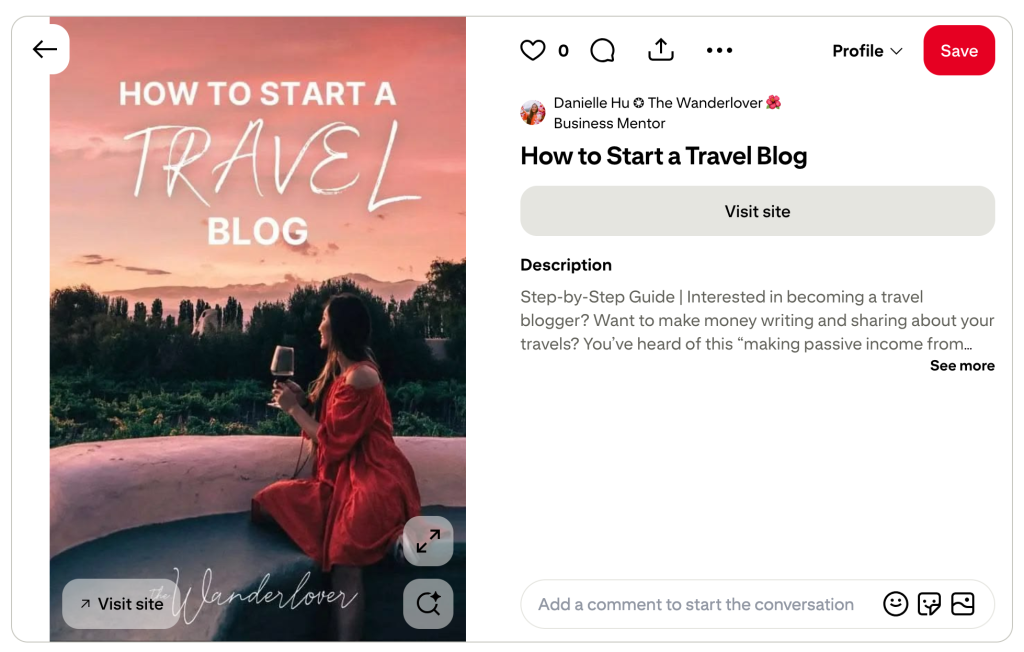
Danielle uses Pinterest to drive traffic to a variety of content types, including her blog, ebooks, podcast episodes, and more. In the example below, Danielle leverages Pinterest to send traffic to a landing page with her ebook. This is another great idea on how to promote several brands at once, while making money by selling an online product.
Niche: travel, entrepreneurship.
Pinterest strategy: pins linking to blog articles with affiliate offers and digital products.
Monetization: affiliate marketing commissions, digital products, coaching and mentorship services.
Why it works:
While some of her posts contain affiliate links, Pinterest affiliate marketing is not the only source of income for Danielle. The blogger diversifies her monetization strategies by selling ebooks, offering online coaching, running masterminds, and operating a travel academy. Therefore, driving traffic from Pinterest to various content types is a logical approach if you want to sell digital products in addition to focusing on affiliate marketing.
Common Pinterest affiliate marketing mistakes
Building a successful affiliate marketing funnel involving Pinterest requires a unique approach, since the platform blends the search engine and social media features. So, in addition to strategies, here are some mistakes you should avoid:
- Ignoring Pinterest SEO. SEO on Pinterest is just as essential as SEO for Google. Without using keywords, you limit your pins’ potential audience and hinder your efforts.
- Using poor-quality images. Pinterest is a visuals-first platform, so you need to make sure what you’re posting looks good and appealing, or the users will just ignore it.
- Not disclosing affiliate links. Transparency about your affiliate marketing efforts is key to earning your audience’s trust. Plus, without it, you might violate Pinterest guidelines and other regulations.
- Posting only affiliate pins. If you only post pins leading directly to affiliate products, you may trigger the platform’s spam filter, limiting your reach. Your followers might lose interest in your content and unsubscribe. Instead of constantly pushing ads, aim to provide genuine value and use your blog articles as bridge pages between Pinterest and affiliate products.
- Giving up too early. Don’t expect immediate profit right after you start in affiliate marketing. Just like with any other channel, your Pinterest affiliate marketing may need some time to start bringing results. Try this strategy for at least a couple of months until you decide that it’s not worth it.
FAQ about affiliate marketing on Pinterest
Can you do affiliate marketing on Pinterest without a website?
Yes, you can do affiliate marketing on Pinterest even without a website. You can either post pins with direct links to affiliate offers, when the programs allow it, or use free landing page builders as your bridge pages.
How many followers do you need to make money on Pinterest?
There’s no set number of followers you need to get to start making money on Pinterest. As the platform is a social media and search engine hybrid, good discoverability with SEO can be more effective than a big follower count. That said, the more followers you have, the more opportunities you can get to monetize them.
Can you post direct affiliate links on Pinterest?
Yes, you can post direct affiliate links on Pinterest. However, make sure you follow the platform’s guidelines, disclose the links, and comply with the affiliate programs’ conditions.
Which Pinterest niches work best for affiliate marketing?
Some of the best Pinterest niches for affiliate marketing include travel, fashion and beauty, food, and DIY and home decor. These work well because they are visuals-forward, unlike SaaS or automation, for example.
How long does it take to make money with Pinterest affiliate marketing?
You need at least three to six months of consistent posting on Pinterest to start making money from affiliate marketing on the platform. However, this can be different depending on the niche, your experience, posting frequency, and other factors.
Is Pinterest affiliate marketing still worth it in 2026?
Yes, affiliate marketing on Pinterest is still worth it in 2026. The platform’s user base keeps growing, and it provides a lot of opportunities for marketers to promote products and earn affiliate commissions with or without a website.